PCI DSS Level 1 Is Not Just for the Big Guys. But Yes, It Will Hurt.
Let's get this out of the way first: PCI DSS Level 1 certification is brutal.
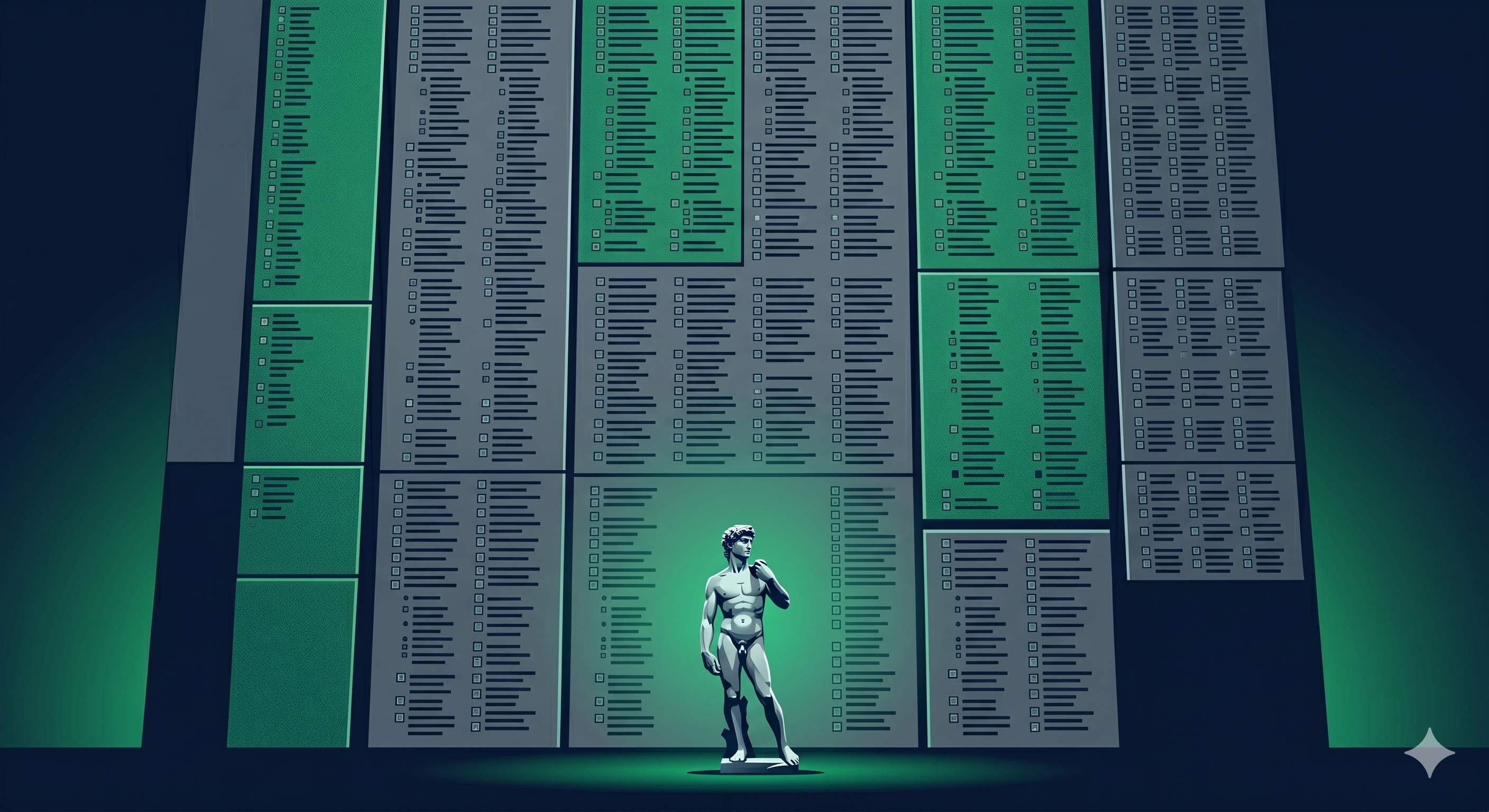
Annual on-site assessments by a QSA. Quarterly network scans. Penetration testing. Hundreds of requirements covering everything from how you store a card number to how you dispose of a hard drive. The compliance cost alone can run into six figures annually — and that's before you count the internal hours your team burns keeping everything audit-ready.
I understand why companies run from it. I've spent the past year watching them do exactly that.
The Misconception
There's a belief floating around the payments industry that Level 1 certification is reserved for the giants. The processors moving millions of transactions. The banks. The companies with dedicated compliance departments and GRC budgets bigger than your entire revenue.
This isn't written anywhere. The PCI SSC doesn't say "Level 1 is for big companies only." But the perception exists because the people you see going through Level 1 tend to be big. And the QSAs who talk about it publicly are usually working with big clients. And the compliance platforms that market Level 1 capabilities price themselves for big budgets.
So if you're a growing service provider, a mid-size ISO, a payment facilitator that just crossed the transaction threshold — you look at Level 1 and think: this isn't for us yet. We'll figure it out later. We'll stay on SAQ-D as long as we can. Maybe we can argue our way into a lower validation level.
I've heard all of these. Multiple times.
The Reality
Here's what nobody tells you: avoiding Level 1 doesn't make the requirements go away. If your transaction volume or your role in the payment ecosystem puts you in Level 1 territory, you're responsible for those 300+ requirements whether you formally certify or not. The only difference is whether you're doing it in a structured, documented way — or pretending it doesn't apply to you until an acquirer or a breach forces the issue.
And that second scenario is significantly more expensive than the first.
The Real Problem Isn't the Standard
The PCI DSS requirements are the same whether you're a company of 10,000 or a company of 15. Requirement 1.1.1 doesn't care about your headcount. The standard is the standard.
What changes is the tooling and process around it.
A large enterprise has a GRC team, a dedicated compliance platform, maybe an in-house QSA. A mid-size service provider has a shared spreadsheet, a folder of screenshots from last quarter, and someone who handles compliance alongside three other jobs.
Both need to demonstrate the same thing: that they meet every applicable requirement, with evidence. The difference is that one has infrastructure built for it, and the other is duct-taping it together every audit cycle.
This is where the cost spiral starts. Not from the requirements themselves, but from the manual effort of tracking, documenting, remediating, and proving compliance without proper tooling. Every year. From scratch.
What We Built and Why
I'm not going to pretend this is easy. PCIDSS Dashboard doesn't make Level 1 certification simple — nothing does. What it does is take the 300+ requirements, structure them into something a lean team can actually manage, and eliminate the parts that eat time without adding security value.
Upload a network diagram, the AI extracts your CDE components into an inventory. Upload a policy document, the system maps it against relevant requirements and flags what's missing. Your evidence repository is structured by requirement, not by whatever folder naming convention someone invented three years ago.
When your QSA shows up, you click "Export for QSA" and hand them a ZIP file with everything organized by requirement. They don't need a login to our platform. They don't need training on our UI. They get a directory structure they can navigate in minutes.
Is this going to save you from the hard parts — the remediation, the pen tests, the internal arguments about segmentation? No. But it removes the operational overhead that makes Level 1 feel impossible for companies that don't have a 10-person compliance team.
The Cost of Waiting
The companies that delay Level 1 certification don't save money. They accumulate risk and technical debt. When the audit finally happens — and it will, whether triggered by growth, by an acquirer, or by an incident — the cost of catching up is always higher than the cost of staying current.
I've seen companies spend more on a single emergency remediation project than they would have spent on three years of structured compliance management.
The standard doesn't get easier with time. Your infrastructure gets more complex. Your evidence gaps get wider. Your team's memory of what was configured and why gets hazier.
Bottom Line
Level 1 is not reserved for companies with unlimited budgets. It's required for companies that meet certain thresholds, regardless of their size or readiness. The question isn't whether you can afford to pursue it. It's whether you can afford to keep pretending you don't need to.
The requirements are fixed. What you can control is how much pain the process costs you.